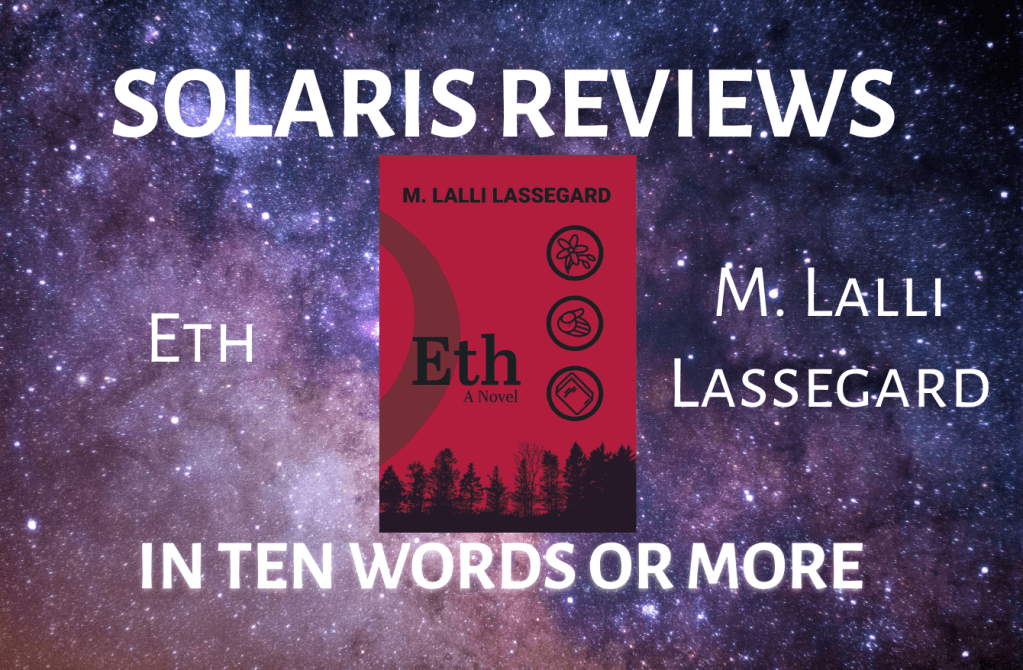
Ten words: Bittersweet queer romance with shocking turns. Also Norwegian countryside propaganda.
Or more: I’ve never shied away from spoilers in reviews before, but since this book is so new, and I do want to encourage everyone to pick it up (which you can do here!), I’m going to tread carefully.
My favorite element of this book is the early ambiguity of the narrator, which adds intriguing complexity to what may at first appear to be a deceptively simple love story, and I don’t want to ruin the surprise.
This makes it all the more daring that M. Lalli Lassegard chooses to reveal the narrator’s identity about two thirds from the end. Not only does this recontextualize earlier parts of the novel, but it propels the story forward with increased emotional intensity. It also forces the reader to confront the unreliability inherent in any human narrator: the fallibility of memory and the truths we dare not give voice to.
The Norwegian setting is lush and well-realized, grounding the story in reality while simultaneously imbuing it with a fairy tale quality, especially in the early chapters. I can’t think of any other book I’ve ever read set in Norway, so that certainly made it stand out to me. Any fan of Norse mythology or Scandinavian settings will likely love it even more than I did.
The heart of the novel lies with the bittersweet queer romance between its protagonists. Their bond, forged in early childhood, is a simple joy in a complicated world, an enduring source of strength for both boys.
The homophobia they face is harrowing without verging into trauma porn territory. The gifts they’re not allowed to keep and taunts they face are poignant and painful. While fluffy gay escapism seems to be the queer romance trend of the moment, I commend Lassegard for tackling the subject with realism without sacrificing the wistful innocence of first love.
As for the writing itself—ambitious artistic choices were made, and I respect that. However, interesting as these choices were, they often had the effect of distancing me from the events of the novel in a way that made the characters and story difficult to connect with emotionally, which may have been the author’s intent.
There are some minor writing quirks that wore on me a bit. The number of times we’re told the exact same details about certain characters got excessive—we get it, the main boy is small, shy, and likes to read!—and characters are referred to by hair color often enough to put the average fanfic author to shame. I’m petty and easily annoyed, though, so I can imagine other readers being less bothered.
I also didn’t love the treatment of female characters in this novel. They’re either essentially wallpaper, obstacles for the main romantic pairing, or just there to be innocent and victimized by men. However, these issues are hardly unique to Eth.
The plot, which is pretty misty-eyed and wandery at first, also takes a few sharp turns that may leave readers shaken, especially toward the end. I wouldn’t say I was satisfied with the ending, but, one way or another, you’ll be thinking about this book long after you close it. It’s a bold debut, and I’m interested to see where the author goes from here.
I can’t tell you how to feel about this book. I can barely even tell you how I feel about this book. It’s such an odd, twisted, thorny experience that I think you have to take the journey yourself—probably multiple times—to come to any meaningful understanding of it.

 THE SOLARIUM
Leave a comment